Milan Neighborhoods
 Written by Amber Cassese
Italians are famously proud of their roots, and the Milanese are no exception. “Milan l’è on gran Milan,” meaning “Milan is a grand city,” is a line from an old song that became a Milanese anthem. Make no mistake there is much to be proud of. Home to countless company headquarters, at least eight universities, and a vibrant and diverse mix of people, culture and food, the city pulses with energy in every corner. Further adding to its uniqueness, is a patchwork of different neighborhoods, each with its own personality—from historic streets and artisan workshops to upscale business and shopping districts, and electrifying nightlife hubs. Exploring Milan means experiencing what each area may have to offer and discovering that life in Milan offers so much more than the sum of its landmarks.
Not just Piazza del Duomo
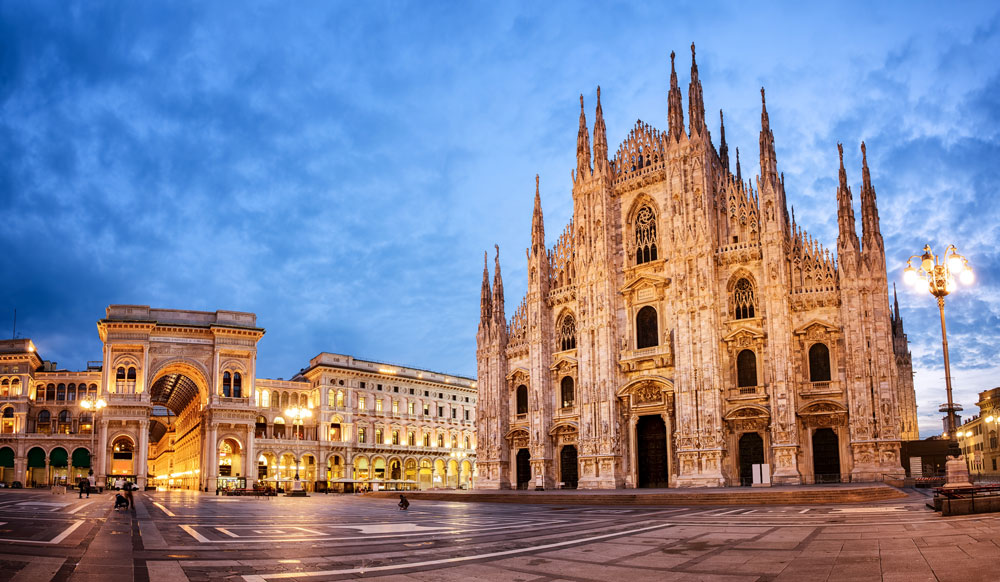
Milan’s cathedral is the absolute symbol of the city, thanks to its 135 ornate spires, 3,400 statues including the Madonnina, over 100 gargoyles, and 700 bas-relief figures. It was built atop the Roman Mediolanum, and is thus considered the very center of this dynamic city. There are several iconic sights clustered around the Duomo’s square like the Galleria Vittorio Emanuele II, Teatro alla Scala, Piazza Cordusio, Le Cinque Vie, and Castello Sforzesco. Because it holds so many important highlights, it is the most touristy area. Thus, prices may be higher, the restaurants a little fancier, and the stores more mainstream. Touristy or not, it is not worth missing these pieces of Milan history.
Milan’s Fashion Quadrilateral
Via Montenapoleone is to Milan as Rodeo Drive is to Los Angeles. A haven for Milan’s more style-conscious crowd, luxury brands and upscale boutiques abound here. Via Spiga, Via Sant’Andrea, and Via Manzoni complete the Quadrilateral’s rectangular shape. There is no shortage of Michelin-starred eateries, five-star hotels, and upscale cafes either for those who want to enjoy a cappuccino or a spritz in class.
Brera
Milan can seem quite frenetic and smoggy, with wide avenues jampacked with traffic—but that’s not the case in the very central Brera. Here, the quaint, virtually car-free streets are lined with contemporary art galleries, charming boutiques, lively bars, and buzzy restaurants. It is also home to the Pinacoteca di Brera, which houses a large collection of Renaissance art and Francesco Hayez’s iconic 1859 painting, The Kiss. They’ve also just added a new building, Palazzo Citterio, featuring contemporary art, which is getting a lot of attention.
Navigli – Milan Canals
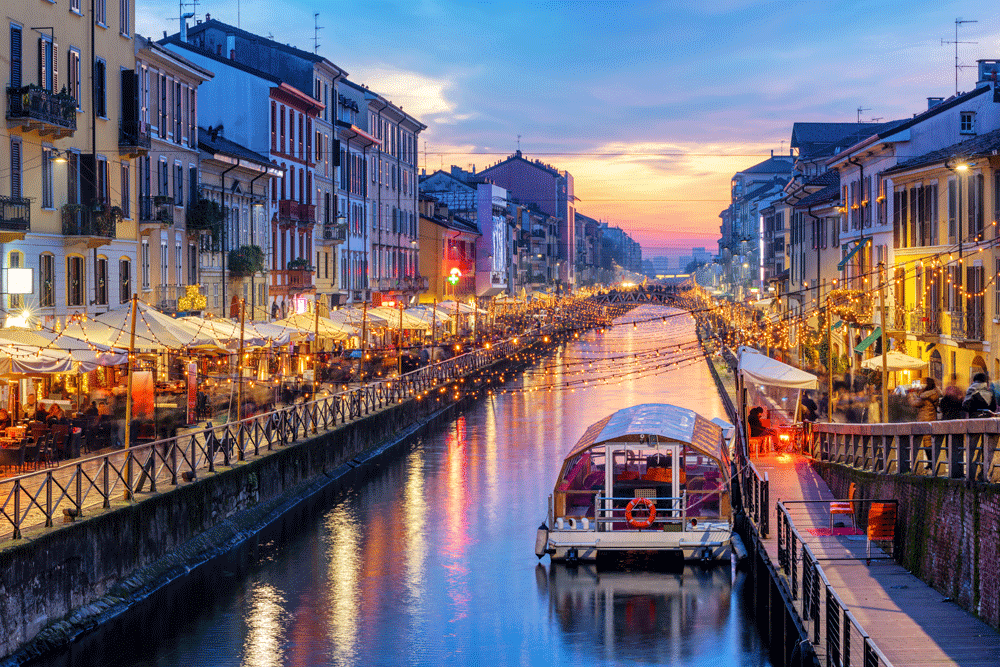
Once a key inland trade center, today the Navigli have become the atmospheric backdrop for one of Milan’s busiest nightlife scenes. Known as a great place for “aperitivo” (drinks and snacks after work!), you’ll find Milan’s younger crowd getting an early start along the Naviglio Grande or Naviglio Pavese—but they often continue into the night. If that’s not your vibe, it’s best to visit during the day, when things are quieter.
Garibaldi Porta Nuova
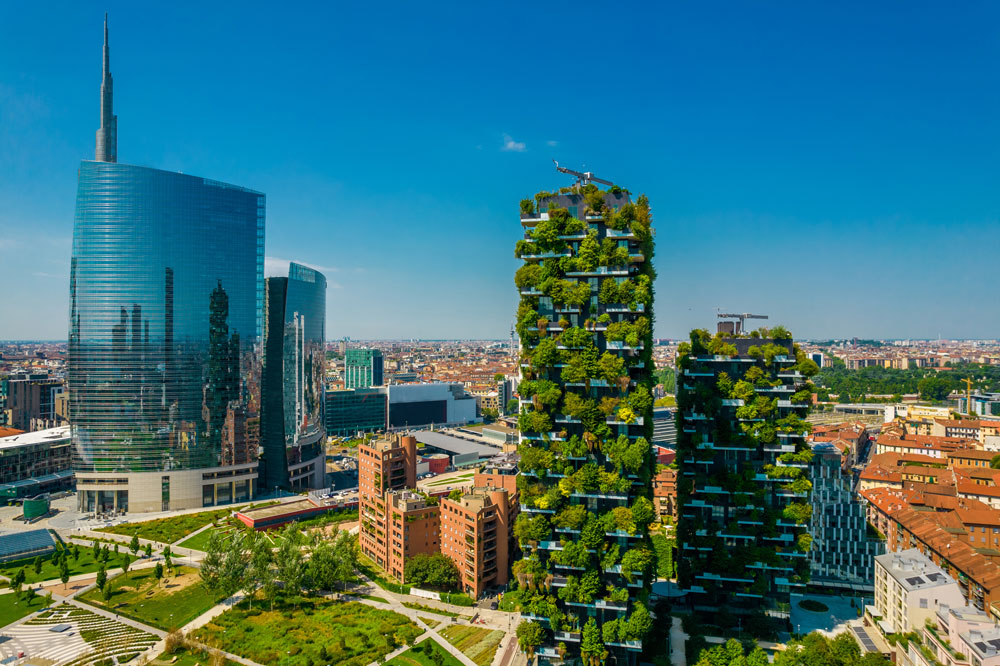
Just over a decade ago, Garibaldi Porta Nuova went through a total transformation, just in time for Expo Milano 2015. New buildings were built, shopping areas created, and parks were cleaned up. These efforts were meant to cover over old railroad tracks. Today, the area is anchored by the Porta Garibaldi station, Piazza Gae Aulenti, the Porta Nuova Shopping District, and the Bosco Verticale, a skyscraping “vertical forest” and symbol of modern Milan.
Paolo Sarpi
Milan’s Chinatown, which centers around Via Paolo Sarpi, is chock full of Chinese delicacies, markets and bakeries. It was established around 100 years ago and thrives today thanks to Milan’s large Chinese population and the locals’ love of ethnic cuisine. Just don’t expect the same dishes you are used to seeing on menus in your country. Settlers primarily came from the Zhejiang Province, on the eastern coast of China, and the cuisine caters to Italian tastes.
Porta Romana
When you visit a city district named “Porta Romana” (“Roman Gate”), you know there is a road somewhere that once led to Rome, reminding you of the city’s ties to the Eternal City. Aside from gate, there’s no trace of Rome in this hipster neighborhood today, but there is plenty of edge, creativity and craft. Go for the restaurant hotspots, urban-chic clubs, contemporary art at Fondazione Prada, and to admire the 19th-century architecture.
Porta Venezia
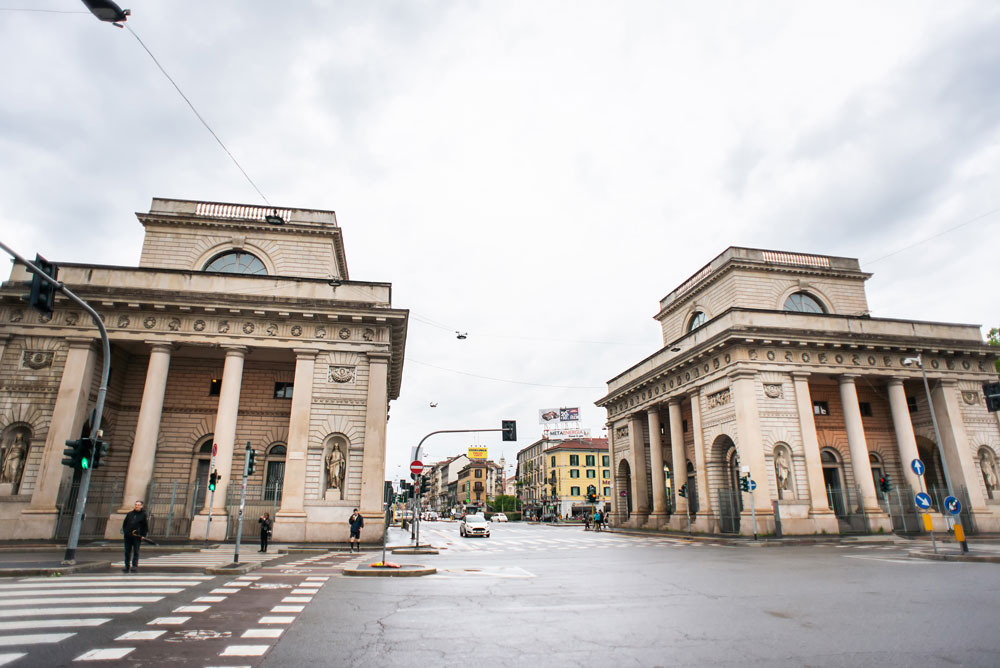
Porta Venezia is a historic neighborhood named after the gate to Venice. You’ll find some great shopping along Corso Buenos Aires, the Natural History Museum, Liberty-style architecture and a lively LGBTQ+ scene. There is a large selection of Italian and ethnic restaurants and plenty of spots for late-night drinks.
If you enjoyed this article, check out Day Trips from Milan.
Written by Amber Cassese
Italy Beyond the Obvious will help make your trip truly memorable. Take advantage of our Italy trip planning services for a customized itinerary.